Share

Coral reefs are something that many of us won’t ever see – but we know that these vibrant underwater landscapes exist all across the world. Although they only make up 0.1% of the ocean floor, we’ve all heard of famous areas such as the Great Barrier Reef. Visions of brightly colored coral with fish darting in and out might be what comes to mind – but unfortunately, dying coral with fewer numbers of marine species is becoming the reality, thanks to climate change and pollution.
To understand why it’s important to protect coral reefs – aside from their natural beauty – let’s dive into the roles these marine areas play, before explaining what you can do to help.
Supporting biodiversity
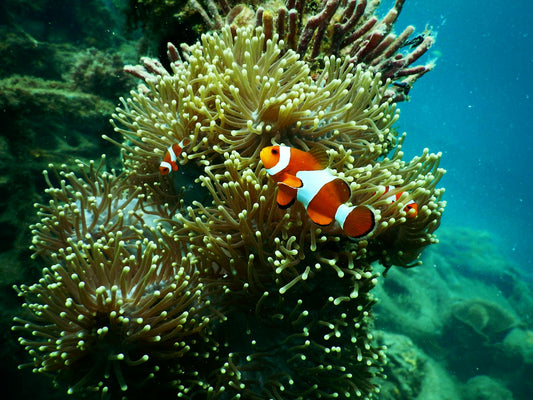
Coral reef biodiversity is crucial for the health of our planet's oceans and the well-being of coastal communities. These fascinating ecosystems, often called "rainforests of the sea," support an incredible variety of marine life, offering food, shelter, and breeding grounds for thousands of species. They’re a full ecosystem, acting as a habitat for many creatures from birth until death.
Statistically, coral reefs are home to approximately 25% of marine life, despite only covering a small amount of the ocean floor. All types of creatures live alongside each other, including fish, invertebrates, and larger creatures such as turtles and sharks. This rich web of life creates a balanced and resilient environment.
Acting as a fish nursery
Coral reefs are like busy nurseries for all sorts of marine life, especially young fish. Thanks to their intricate structure, reefs offer countless little hiding spots where baby fish can stay safe from predators, both in the egg and once they’ve hatched.
It’s not just about shelter, either – these colorful reefs are overflowing with food, so the young fish always have something to eat as they grow up. Because coral reefs provide both a safe place and plenty to eat, they are essential for supporting fish populations. In turn, this supports the wider marine ecosystem, as a higher proportion of fish survive to adulthood.
Protecting coastlines
You might not realise it, but coral reefs also act as a way to reduce the impact of wave movement on coastlines. They form a natural barrier, so that when powerful waves sweep towards the shore, they’re broken up by the coral, reducing the potential for flooding and erosion. Without them, waves would hit the shore at full force, ultimately causing much greater damage and resulting in both human and financial cost.
You might be concerned that these waves cause damage to the reefs, but that’s not the case. In fact, these strong waves sweep essential nutrients into the coral systems, supporting the creatures living there and continuing the circle of life. The waves also bring cooler water, stopping the reefs overheating and providing the optimal temperature for marine life.
What can you do to protect them?
It’s clear that coral reefs have a vital role to play. You can help support them by:
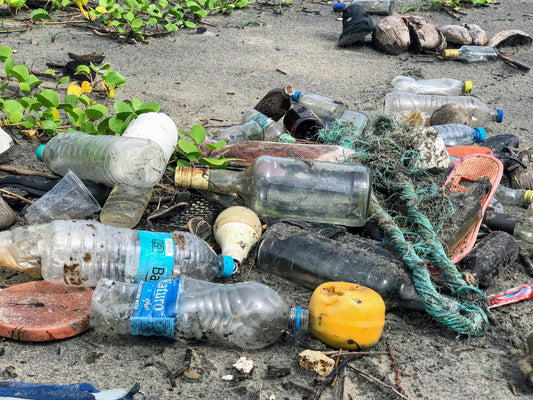
- Reducing single-use plastics. Millions of pieces of plastic end up in the ocean each year, and every one has a detrimental effect. Even if you dispose of them correctly, there’s no guarantee that they won’t end up in the ocean further down the line. Swap what you can to reduce the risk.
- Using reef-friendly sunscreen. As Original Travel explains, coral bleaching can occur as a result of using toxic sunscreen – yet many popular brands continue to use the chemicals responsible. Swap to a reef-friendly brand, even when you’re not directly going in the ocean, as then these chemicals won’t end up in our waterways.
- Eat sustainable seafood. Coral reefs can be damaged via deep-sea methods of fishing such as trawling. It only takes seconds to cause irreparable damage to something that has been around for hundreds of years. By opting for sustainably sourced fish, you can ensure you’re not supporting these harmful approaches.
By following these simple steps, you can do your bit to make a difference and protect these amazing ecosystems for years to come. Don’t forget to raise awareness with friends and family too.
We hope you enjoyed this article. Please feel free to leave a comment below if you want to engage in the discussion.
If you want to read more like this, make sure to check out our Blog and follow us on Instagram. If you are interested in truly sustainable products, check out our Shop.